Principais pontos
- Um NFT é um registro em uma blockchain que comprova a propriedade única de um identificador digital, e não automaticamente os direitos autorais sobre aquilo que ele representa.
- A maioria dos NFTs funciona na Ethereum ou em plataformas de contratos inteligentes semelhantes, usando padrões de token consolidados.
- Além de arte e colecionáveis, os NFTs vêm sendo usados para ingressos de eventos, credenciais, associações e itens de jogo.
- Os mercados de NFT são ilíquidos e altamente especulativos, então o valor pode cair com força e os compradores deveriam tratá-los como de alto risco.
- A tecnologia subjacente — propriedade on-chain única e verificável — mostrou-se mais duradoura do que qualquer ciclo de preços isolado.
Um token não fungível, ou NFT, é um registro em uma blockchain que comprova quem controla um identificador digital específico e único. Esse identificador costuma estar vinculado a outra coisa — uma obra de arte digital, um ingresso para um evento, um passe de associado ou um item de jogo — e a entrada na blockchain funciona como um recibo de propriedade público e resistente a adulterações. A parte “não fungível” importa: ao contrário de uma unidade monetária, em que qualquer token é intercambiável por outro do mesmo tipo, cada NFT é distinto e carrega o próprio histórico.
“NFT” virou um termo de uso comum durante um período de intenso interesse público por arte digital e itens colecionáveis, quando a atividade de negociação de algumas coleções disparou. Essa atenção esfriou consideravelmente desde então, e boa parte dos comentários tratou a categoria inteira como um modismo passageiro. A tecnologia em si, porém, não desapareceu. Ela migrou discretamente para bilheteria, credenciais, jogos e sistemas de identidade — áreas em que um registro de propriedade verificável e transferível é genuinamente útil, independentemente de alguém negociar arte ou não.
Como os NFTs realmente funcionam
A maioria dos NFTs é criada por meio de um contrato inteligente, um pequeno trecho de código autoexecutável implantado em uma blockchain que define as regras para cunhar, transferir e verificar a propriedade de cada token. Quando alguém cunha um NFT, o contrato inteligente lhe atribui um identificador único e registra o endereço do criador como seu primeiro proprietário. A partir daí, cada transferência é registrada on-chain, criando um histórico público que qualquer pessoa pode auditar de forma independente.
A Ethereum foi a primeira grande blockchain a popularizar formatos padronizados de NFT, e ainda hoje abriga uma grande parcela da atividade de NFTs, ao lado de várias outras plataformas de contratos inteligentes que oferecem padrões semelhantes. O token em si costuma ser pequeno — muitas vezes apenas um identificador mais um link para metadados armazenados em outro lugar, como uma descrição, um arquivo de imagem ou um conjunto de atributos. Vale entender esse detalhe: comprar um NFT não significa automaticamente que o arquivo subjacente esteja armazenado de forma permanente na blockchain, e vale a pena verificar onde esse arquivo de fato reside antes de supor que algo nele seja permanente.
Além da arte digital: usos práticos
Arte e colecionáveis continuam sendo o caso de uso mais visível, mas estão longe de ser o único. Um número crescente de projetos usa NFTs como espinha dorsal técnica para coisas que pouco têm a ver com colecionar:
- Ingressos para eventos. Um ingresso representado como NFT pode ser verificado na hora, revendido de forma transparente e até programado com regras em torno da revenda — algo que ingressos em papel ou PDF não conseguem replicar com facilidade.
- Passes de associação e de acesso. Possuir um NFT específico pode liberar o acesso a uma comunidade, a um nível de serviço ou a um espaço físico, funcionando como um cartão de membro digital que também pode ser revendido ou transferido a outra pessoa.
- Identidade e credenciais. Como cada token é único e seu histórico é público, os NFTs podem representar qualificações, certificações ou registros de presença de uma forma simples de verificar, sem depender de uma autoridade central.
- Itens dentro de jogos. Alguns jogos emitem armas, itens cosméticos ou lotes de terreno virtual como NFTs, permitindo que os jogadores realmente possuam e negociem itens fora da economia interna do próprio jogo, em vez de guardá-los em um banco de dados totalmente controlado pela produtora.
Esses usos compartilham um fio condutor: apoiam-se nas partes da tecnologia NFT que são genuinamente inéditas — propriedade única, portabilidade e verificabilidade pública — em vez da demanda de colecionadores ou do entusiasmo com a revenda.
Por que os NFTs passaram a ser associados à especulação
Os NFTs atraíram uma onda de negociação especulativa assim que a arte digital e os projetos no estilo colecionável capturaram a atenção do grande público. Os compradores adquiriam tokens na esperança de revendê-los ao próximo comprador por um preço mais alto, um padrão familiar de outros mercados especulativos ao longo da história. Como qualquer pessoa podia cunhar um NFT a um custo relativamente baixo, a oferta cresceu depressa, e boa parte dessa nova oferta não tinha propósito claro além da esperança de revenda.
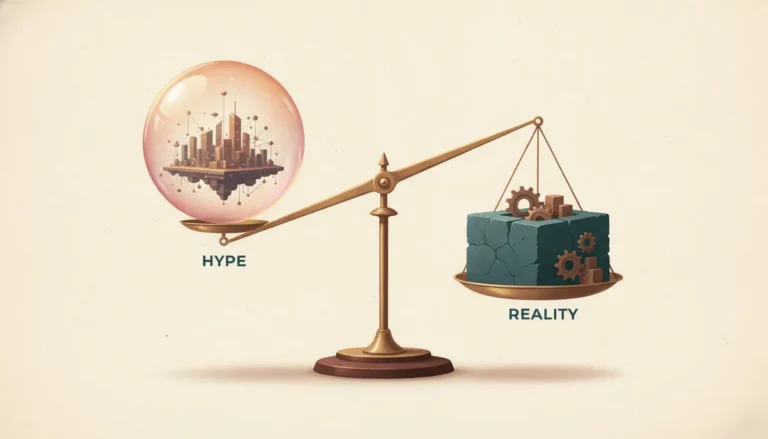
Essa dinâmica deixou os NFTs com uma reputação que ainda persiste: muita gente associa a categoria inteira à revenda rápida e ao entusiasmo, e não à tecnologia de propriedade subjacente. Vale a pena separar as duas coisas. O comportamento de negociação especulativa foi uma fase de mercado, impulsionada por atenção e momentum. A tecnologia para registrar propriedade única e verificável em um livro-razão público é uma ideia distinta e mais duradoura, e segue encontrando novas aplicações mesmo com a negociação especulativa mais calma.
Os riscos, com honestidade
Qualquer pessoa que considere comprar um NFT — seja como colecionável, seja com finalidade de utilidade — deveria fazê-lo com plena consciência dos riscos envolvidos. Isto não é aconselhamento financeiro, e vale a pena fazer sua própria pesquisa antes de gastar dinheiro em qualquer ativo digital.
- Iliquidez. Ao contrário das principais criptomoedas negociadas em mercados profundos, a maioria dos NFTs tem mercados rasos ou inexistentes. Encontrar um comprador a qualquer preço nunca é garantido, e preços justos podem ser difíceis de determinar quando a negociação é escassa.
- Valoração subjetiva. Muitas vezes não há fluxo de caixa, dividendo ou métrica fundamental por trás do preço de um NFT. O valor reflete em grande parte o que outra pessoa por acaso esteja disposta a pagar naquele momento, o que pode mudar depressa e sem aviso.
- Golpes e fraude. Coleções falsas, links de phishing disfarçados de sites oficiais de cunhagem e alegações enganosas sobre utilidade futura são comuns em todo o setor. Verificar o endereço oficial do contrato e a fonte de qualquer projeto antes de comprar é essencial.
- Risco de plataforma e de armazenamento. Se os metadados ou a imagem por trás de um NFT estiverem hospedados em um servidor centralizado, em vez de armazenados on-chain ou em uma rede de armazenamento descentralizada, esse conteúdo pode desaparecer se o host sair do ar.
Onde os NFTs ainda podem importar
Os casos de uso de NFT mais duradouros até agora tendem a ser os menos glamorosos: sistemas de bilheteria que reduzem a fraude, ferramentas de associação que substituem bancos de dados centralizados frágeis e itens de jogo que permitem aos jogadores carregar a propriedade entre plataformas, em vez de perder tudo se um único jogo for desativado. Nada disso significa que um projeto de NFT específico terá sucesso ou manterá seu valor ao longo do tempo. O que isso mostra é que a ideia central — um registro de propriedade único e publicamente verificável — resolve problemas de coordenação que existiam muito antes das criptomoedas, e provavelmente continuará encontrando novas aplicações, independentemente de onde estejam os preços da arte em NFT.
Para os leitores que quiserem acompanhar como esses casos de uso se desenvolvem, nossa cobertura de NFTs acompanha o setor sem tratar a especulação de preços como a única história que vale a pena contar.
A história
Os tokens não fungíveis passaram de uma ideia técnica de nicho a um termo de uso comum durante um período de intenso interesse público por arte digital e colecionáveis, para depois sumir das manchetes à medida que a atividade de negociação esfriava.
O contexto
A ideia subjacente — um registro de propriedade único e verificável em uma blockchain pública — sobreviveu a esse ciclo de entusiasmo e agora é aplicada tanto a ingressos, credenciais e itens de jogo quanto à arte.
Se os casos de uso de NFT voltados à utilidade, como bilheteria, associação e identidade, ganham adoção constante independentemente do volume de negociação especulativa.
The Digital Take é o raciocínio e os dados da equipe da Bitcoin Digital Editorial — contexto, não uma recomendação de compra ou venda. Não é consultoria financeira.
Fontes
Perguntas frequentes
Um NFT é a mesma coisa que a obra de arte ou o arquivo que ele representa?
Não. Um NFT é um token em uma blockchain que registra quem controla um determinado identificador único, geralmente vinculado a um arquivo ou a um conjunto de metadados. Possuir o NFT não concede automaticamente os direitos autorais sobre a obra subjacente, a menos que o vendedor transfira esses direitos de forma explícita, então os compradores devem sempre verificar exatamente o que estão adquirindo.
Um NFT pode perder a maior parte do seu valor?
Sim. Os preços dos NFTs são impulsionados pela demanda dos compradores, que pode sumir rapidamente quando o interesse por uma determinada coleção ou tendência esfria. Como a maioria dos NFTs é ilíquida — ou seja, pode haver poucos compradores ou nenhum em um dado momento — um token pode se tornar muito difícil de vender a qualquer preço. Isto não é aconselhamento financeiro, e quem considera NFTs deve fazer sua própria pesquisa.
Todos os NFTs funcionam na Ethereum?
A Ethereum foi a primeira blockchain a popularizar os padrões de NFT e ainda abriga uma grande parcela da atividade de NFTs, mas não é a única opção. Várias outras plataformas de contratos inteligentes oferecem seus próprios padrões de NFT, e existem ferramentas para representar ativos semelhantes em diferentes redes. O ponto em comum é um livro-razão público e verificável, e não uma rede específica.
Qual é a diferença entre um token fungível e um não fungível?
Um token fungível, como uma unidade típica de criptomoeda, é intercambiável: uma unidade é idêntica em valor e função a outra. Um token não fungível é único; cada um carrega o próprio identificador e histórico, razão pela qual os NFTs são adequados para representar itens individuais, como um ingresso, uma obra de arte ou um objeto de jogo específico, em vez de uma moeda compartilhada.
Os NFTs são usados principalmente para arte hoje em dia?
Arte e colecionáveis continuam sendo o caso de uso mais visível, mas uma parcela crescente da atividade envolve ingressos, passes de associação, itens de jogo e certificação. Esses usos voltados à utilidade atraem menos atenção do que a negociação especulativa, mas podem se mostrar mais duradouros, pois resolvem um problema prático em vez de depender apenas da demanda de colecionadores.
Última atualização 13 julho 2026

Editor experiente com foco em Bitcoin, ativos digitais, infraestrutura blockchain e inovação fintech. Escreve e edita conteúdos sobre tendências de mercado, regulação, adoção institucional e as tecnologias que moldam o futuro das finanças digitais.