Points clés
- Une blockchain de couche 1 possède ses propres validateurs, règles de consensus et actif natif, et ne dépend pas d'une autre chaîne pour régler les transactions.
- Le trilemme de la blockchain signifie que la plupart des couches 1 cèdent consciemment une part de décentralisation ou de scalabilité pour renforcer les deux autres.
- Un débit plus élevé ou des frais plus bas sont le résultat visible de choix de conception précis, non la preuve qu'un compromis a été évité.
- La véritable décentralisation d'une chaîne dépend du degré de concentration de son ensemble réel de validateurs, ce qui n'est pas toujours visible à partir du seul marketing.
- Ethereum et Solana représentent deux réponses différentes, en évolution active, au même trilemme, plutôt qu'une simple comparaison de meilleur ou de pire.
Toute cryptomonnaie a besoin d’une couche de base qui enregistre et règle réellement les transactions, et cette couche de base est généralement appelée blockchain de « couche 1 ». Des dizaines d’entre elles se disputent aujourd’hui l’attention, chacune prétendant être plus rapide, moins chère ou plus décentralisée que la précédente. Comprendre ce qu’est réellement une couche 1, et quels compromis se cachent derrière ces affirmations, rend bien plus facile de voir au-delà du marketing.
Qu’est-ce qui fait d’une blockchain une « couche 1 » ?
Un réseau de couche 1 est une blockchain dotée de son propre ensemble indépendant de validateurs, de ses propres règles de consensus et de son propre actif natif servant à payer l’activité sur le réseau. Il ne dépend pas d’une autre chaîne pour finaliser les transactions — il est lui-même la couche de règlement de base. Cela diffère d’un réseau de couche 2, qui traite l’activité séparément puis règle les résultats sur une couche 1 sous-jacente. Bitcoin et Ethereum sont tous deux des couches 1, tout comme la plupart des réseaux qui se décrivent comme des « concurrents » d’Ethereum.
Parce qu’une couche 1 répond de sa propre sécurité, les enjeux pratiques de ses choix de conception sont plus élevés que pour une couche 2 bâtie par-dessus. Une faille ou un moment d’instabilité dans le processus de consensus d’une couche 1 affecte d’un coup tout ce qui est construit sur cette chaîne, y compris les réseaux de couche 2 qui y règlent, ce qui est l’une des raisons pour lesquelles la conception d’une couche 1 tend à avancer prudemment et pour lesquelles les nouvelles couches 1 font l’objet d’un examen minutieux avant qu’on leur confie une activité significative.
Le trilemme de la blockchain
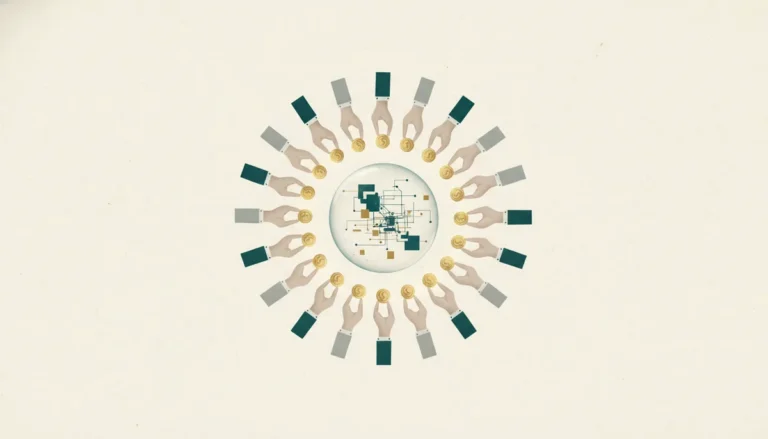
Toute conception de couche 1 se heurte à la même tension fondamentale, souvent décrite comme le trilemme de la blockchain : il est difficile de maximiser pleinement décentralisation, sécurité et scalabilité en même temps, et la plupart des conceptions s’appuient davantage sur deux des trois. Un réseau qui répartit la validation sur un ensemble très vaste et géographiquement diversifié de participants indépendants tend à être très décentralisé et sûr, mais coordonner autant de participants peut limiter le débit de transactions que la couche de base gère. Un réseau qui utilise un ensemble de validateurs plus restreint ou coordonné plus étroitement peut souvent aller plus vite, mais cette concentration est elle-même un compromis au détriment de la décentralisation.
Aucun des deux côtés de ce compromis n’est automatiquement mauvais. Cela dépend de ce pour quoi la chaîne est optimisée, et il vaut la peine de lire la documentation de conception d’un projet pour voir quel côté du trilemme il a consciemment choisi, plutôt que de supposer qu’une chaîne a échappé entièrement au compromis.
Il est utile de penser au trilemme comme à un budget plutôt qu’à une loi immuable : une chaîne n’est pas enfermée pour toujours dans un seul compromis, et des changements de conception peuvent déplacer avec le temps l’endroit où elle se situe. Mais déplacer cet équilibre dans une direction signifie généralement encore céder quelque chose ailleurs, même si le changement est graduel ou mis en œuvre par étapes plutôt que d’un seul coup. Les affirmations selon lesquelles une chaîne évolue vers « plus de décentralisation et plus de scalabilité en même temps » méritent d’être lues attentivement pour voir exactement ce qui, le cas échéant, a été cédé pour rendre cela possible.
Comment le consensus façonne les compromis
Le consensus est le mécanisme qu’un réseau utilise pour amener des milliers d’ordinateurs indépendants à s’accorder sur un historique de transactions unique et partagé, sans qu’une autorité centrale tranche en dernier ressort. Le choix du mécanisme de consensus a un effet direct sur la position d’une chaîne dans le trilemme : il détermine qui peut participer à la validation des transactions, quel matériel ou quel capital cela requiert, et à quelle vitesse le réseau peut considérer une transaction comme définitive. Deux chaînes peuvent partager des objectifs très similaires sur le papier et pourtant se comporter très différemment dès qu’on regarde comment leur couche de consensus est réellement bâtie.
Le débit et les frais sont des choix de conception, pas des accidents
Quand une chaîne semble plus rapide ou moins chère à utiliser, c’est généralement le résultat visible de décisions architecturales précises : le temps de bloc, la quantité de données qui tient dans chaque bloc, la façon dont les transactions sont ordonnées et la coordination requise entre validateurs avant qu’un bloc ne compte comme définitif. Rien de tout cela n’est gratuit. Extraire plus de débit d’une couche de base signifie généralement exiger davantage du matériel ou de la coordination nécessaires pour faire tourner un validateur, ce qui restreint qui peut réellement participer à la sécurisation du réseau. Une habitude utile est de se demander ce qu’une chaîne a cédé pour atteindre ses chiffres de débit, plutôt que de prendre une affirmation de vitesse accrocheuse pour toute l’histoire.
La décentralisation n’est pas toujours visible au premier coup d’œil
Une chaîne peut paraître décentralisée dans son marketing alors que son ensemble réel de validateurs est concentré parmi un petit nombre de grands opérateurs bien dotés. Les exigences matérielles comptent ici : si faire tourner un validateur requiert une infrastructure coûteuse et spécialisée, moins de participants indépendants peuvent réellement le faire, même si le nombre total de validateurs paraît élevé sur le papier. La concentration géographique et organisationnelle parmi les validateurs est plus difficile à contourner par le marketing qu’un chiffre de débit, ce qui est précisément pourquoi il vaut la peine de la chercher.
La diversité des clients est un signal connexe et moins discuté. La plupart des couches 1 reposent sur un logiciel de validation construit et maintenu par un petit nombre d’équipes indépendantes, et si l’un de ces logiciels comporte un bogue grave, l’impact dépend fortement du nombre de validateurs qui l’exécutaient. Un réseau où les validateurs font tourner un mélange réellement varié de logiciels développés indépendamment est plus résilient à ce type de point de défaillance unique qu’un réseau où presque tout le monde exécute le même client par défaut.
Deux philosophies de conception différentes
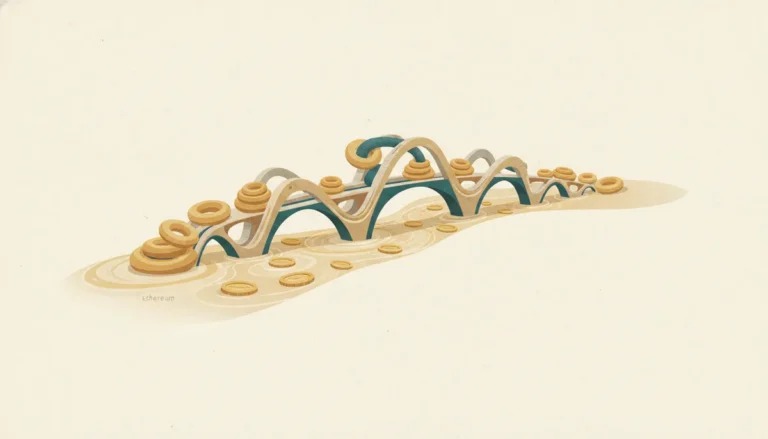
Ethereum et Solana illustrent deux réponses différentes au même trilemme. Ethereum a généralement privilégié de garder sa couche de base largement décentralisée, en poussant une grande part de l’activité quotidienne de transactions vers des réseaux de couche 2 distincts qui y règlent, plutôt que de maximiser directement le débit de la couche de base. Solana a poursuivi une conception plus étroitement intégrée, incluant un mécanisme intégré d’ordonnancement des transactions en amont du consensus, destiné à gérer beaucoup plus d’activité directement sur sa couche de base. Aucune des deux approches n’est objectivement correcte — elles reflètent des paris différents sur les endroits où les compromis valent la peine d’être faits, et toutes deux continuent d’évoluer.
Bien comparer les couches 1 signifie regarder au-delà du chiffre de débit accrocheur et se poser plutôt trois questions : quel est l’ensemble réel de validateurs, et à quel point est-il concentré ? Qu’est-ce qui doit rester vrai, techniquement, pour que la chaîne continue de fonctionner à mesure que davantage de gens l’utilisent ? Et que dit la documentation du projet elle-même sur ce pour quoi il optimise, dans ses propres mots plutôt que dans un communiqué de presse ? Une chaîne franche sur ses compromis est en général plus digne de confiance qu’une chaîne qui prétend avoir résolu le trilemme d’emblée. La comparaison des couches 1 porte en fin de compte sur des compromis, pas sur des gagnants — chaque choix de conception qui rend une chaîne plus rapide ou moins chère est emprunté à un autre endroit du système, et savoir où il a été emprunté vous en dit bien plus qu’une page marketing ne le fera jamais.
L'histoire
De nouvelles blockchains de couche 1 sont lancées régulièrement, chacune prétendant être plus rapide ou moins chère que les réseaux établis, sans toujours expliquer ce qu'il a fallu céder pour y parvenir.
Le contexte
Le trilemme de la blockchain signifie que la conception d'une couche 1 est un ensemble de compromis délibérés entre décentralisation, sécurité et scalabilité — comprendre quels compromis une chaîne a faits explique bien plus qu'une affirmation de vitesse accrocheuse.
Le degré de concentration que finit par atteindre, avec le temps, l'ensemble réel de validateurs d'une chaîne, car c'est un signal de décentralisation plus durable que le marketing du jour du lancement.
The Digital Take est l'analyse et les données de l'équipe Bitcoin Digital Editorial — du contexte, pas une recommandation d'achat ou de vente. Pas un conseil financier.
Sources
Questions fréquentes
Quelle est la différence entre une blockchain de couche 1 et une de couche 2 ?
Une couche 1 est une blockchain indépendante dotée de ses propres validateurs et règles de consensus, responsable de finaliser elle-même les transactions. Une couche 2 est un réseau distinct bâti pour traiter l'activité de manière moins chère ou plus rapide, puis régler les résultats sur une couche 1 sous-jacente. Les couches 2 héritent de la sécurité de leur chaîne sous-jacente au lieu de la fournir entièrement elles-mêmes, ce qui est la différence structurelle centrale entre les deux.
Une couche 1 à plus haut débit est-elle toujours le meilleur choix ?
Pas automatiquement. Un débit plus élevé est généralement obtenu en restreignant l'ensemble de validateurs ou en exigeant un matériel plus puissant pour participer, ce qui est en soi un compromis au détriment de la décentralisation. Que ce compromis en vaille la peine dépend de l'usage du réseau. Une chaîne plus rapide mais plus concentrée n'est pas simplement meilleure qu'une chaîne plus lente et plus distribuée — elles sont optimisées pour des priorités différentes.
Une blockchain peut-elle résoudre entièrement le trilemme ?
Aucune conception n'a éliminé le compromis d'emblée, même si de nombreux projets revendiquent des améliorations notables sur un ou plusieurs de ses côtés. Traitez avec scepticisme toute affirmation d'avoir résolu simultanément décentralisation, sécurité et scalabilité, et regardez plutôt ce que la documentation technique du projet dit avoir priorisé, et ce qu'il reconnaît avoir cédé pour y parvenir.
Pourquoi certaines couches 1 ont-elles des frais bien plus bas que d'autres ?
Les frais sont façonnés par la quantité de demande qui se dispute une quantité limitée d'espace de bloc, et par des choix de conception comme la taille de bloc, le temps de bloc et la coordination dont les validateurs ont besoin avant de finaliser un bloc. Une chaîne avec plus d'espace de bloc ou un ensemble de validateurs coordonné plus étroitement peut souvent traiter plus d'activité à un coût plus faible par transaction, ce qui est l'une des raisons pour lesquelles les frais varient tant d'un réseau à l'autre.
Un grand nombre de validateurs signifie-t-il automatiquement qu'une chaîne est décentralisée ?
Pas à lui seul. Ce qui compte davantage, c'est le degré réel d'indépendance de ces validateurs, s'ils sont exploités par un large éventail de participants sans lien entre eux, dans différentes régions et organisations, ou concentrés parmi une poignée de grands opérateurs. Un nombre élevé de validateurs avec une forte concentration entre quelques mains est en pratique moins décentralisé que le chiffre accrocheur ne le laisse penser.
Dernière mise à jour 13 juillet 2026

Rédacteur expérimenté spécialisé dans le Bitcoin, les actifs numériques, l'infrastructure blockchain et l'innovation fintech. Il rédige et édite des contenus sur les tendances de marché, la réglementation, l'adoption institutionnelle et les technologies qui façonnent l'avenir de la finance numérique.