Principais pontos
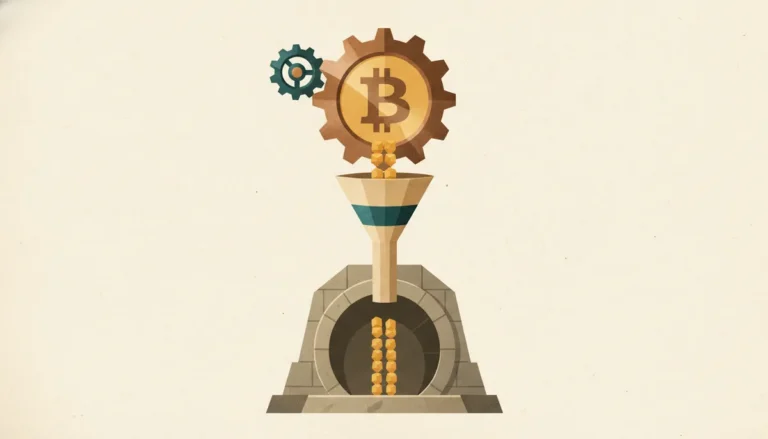
- O cronograma de oferta do Bitcoin é fixo e conhecido publicamente, então mudanças no lado da demanda tendem a importar mais, ao longo do tempo, do que surpresas de oferta.
- Adoção e demanda, liquidez de mercado, condições macro e sentimento interagem todos entre si, em vez de mover o preço do Bitcoin de forma isolada.
- A liquidez rasa pode amplificar as oscilações de preço em qualquer direção, enquanto mercados mais profundos tendem a absorver grandes negociações de forma mais suave.
- Condições macro como o apetite por risco afetam o Bitcoin ao lado de outros ativos de risco, e não de forma isolada do resto do sistema financeiro.
- Este modelo é feito para raciocinar sobre movimentos de preço, não para prevê-los, e não substitui sua própria pesquisa.
O preço do Bitcoin pode parecer imprevisível de um dia para o outro, saltando de formas que parecem desconectadas de qualquer manchete isolada. Na verdade, ele não é aleatório. Um punhado de forças subjacentes está quase sempre em ação sob o ruído, e entendê-las não diz o que vai acontecer a seguir — dá a você uma forma mais clara de pensar sobre o que está vendo. Este é um modelo para raciocinar sobre movimentos de preço, não uma ferramenta para prevê-los.
Um cronograma de oferta que não se curva
A maioria dos ativos tem um lado da oferta que pode responder à demanda. Uma fábrica pode fazer turnos extras, uma mina pode ampliar a produção, uma empresa pode emitir mais ações. O Bitcoin não funciona assim. Novas moedas entram em circulação segundo um cronograma fixo escrito no protocolo: a emissão é cortada pela metade em intervalos regulares, um evento comumente chamado de halving, que ocorre aproximadamente a cada quatro anos, ou a cada 210.000 blocos. A oferta total é limitada a cerca de 21 milhões de moedas, um limite que nenhum participante, empresa ou governo pode ajustar sozinho.
Como o lado da oferta é fixo e conhecido publicamente com muita antecedência, ele raramente produz surpresas genuínas. Isso desloca o peso das notícias que movem o preço para o lado da demanda da equação: quando a quantidade de nova oferta entrando no mercado é previsível e de crescimento lento, mudanças em quantas pessoas ou quanto capital querem exposição tendem a importar mais, ao longo do tempo, do que qualquer coisa que aconteça com a própria emissão.
A demanda e a adoção são a parte móvel
A demanda por um ativo como o Bitcoin vem de uma ampla gama de fontes: compradores individuais, empresas que experimentam mantê-lo no balanço, fundos que constroem exposição para clientes, desenvolvedores que constroem sobre a rede, e o uso cotidiano em carteiras e trilhos de pagamento. Nenhuma dessas fontes se move em sincronia, e a adoção em si é mais ampla do que apenas o preço — ela inclui quantas pessoas de fato mantêm e usam o ativo, quão acessível a custódia se tornou e quão integrado ele está ao resto do sistema financeiro.
Como dinâmica geral, quando mais capital ou mais participantes buscam exposição enquanto a nova emissão permanece essencialmente fixa, isso tende a exercer pressão de alta sobre o preço. Quando o entusiasmo esfria ou o capital gira para outro lugar, tende a acontecer o contrário. Nenhuma das duas direções é garantida, e o ritmo da adoção pode mudar por razões que têm pouco a ver com o próprio ativo, incluindo clareza regulatória, ciclos de mercado mais amplos ou simplesmente uma mudança no apetite dos investidores por risco.
A liquidez decide até onde um movimento vai
A liquidez — o quão facilmente um ativo pode ser comprado ou vendido sem mover materialmente seu preço — molda até onde qualquer onda de compra ou venda realmente empurra o preço. Mercados com livros de ofertas profundos podem absorver grandes negociações com um impacto de preço relativamente pequeno. Mercados com liquidez rasa podem oscilar bruscamente diante de compras ou vendas comparativamente modestas, simplesmente porque não há profundidade suficiente do outro lado para absorvê-las.
Por que livros de ofertas rasos amplificam movimentos
Quando a liquidez é rasa, uma única ordem grande pode percorrer vários níveis de preço antes de ser executada, e esse movimento pode, por sua vez, desencadear mais compras ou vendas à medida que outros participantes reagem a ele. Essa é uma das razões pelas quais a mesma notícia pode produzir reações de preço muito diferentes dependendo da exchange ou das condições de liquidez mais amplas naquele momento. Nosso guia sobre como ler o volume de negociação e a liquidez em cripto aprofunda como a profundidade e a atividade interagem.
As condições macro definem o pano de fundo
O Bitcoin não é negociado isolado do resto do sistema financeiro. Condições macro mais amplas — a direção das taxas de juros, quanto apetite os investidores têm por risco em geral e a força relativa das principais moedas, como o dólar americano — influenciam quanto capital circula em busca de um lar e quão disposto esse capital está a permanecer em ativos mais especulativos ou orientados ao crescimento.
Como padrão geral, quando o apetite por risco nos mercados está aumentando, ativos especulativos e orientados ao crescimento, incluindo cripto, muitas vezes atraem mais entradas de capital. Quando o apetite por risco se contrai, o capital muitas vezes gira para ativos percebidos como mais seguros. Essa dinâmica não é exclusiva do Bitcoin nem da cripto; ela se aplica a muitos ativos de risco e interage com as forças de oferta e demanda descritas acima, em vez de substituí-las.
O sentimento e o posicionamento adicionam ruído de curto prazo
Sobreposta a tudo isso está a simples psicologia humana. O sentimento dos traders, o comportamento de manada, a perseguição de momentum e o posicionamento alavancado podem empurrar o preço para longe de onde o quadro subjacente de oferta e demanda sozinho o sugeriria, especialmente em horizontes curtos. Uma onda de otimismo pode puxar o preço para cima antes que a adoção ou o uso tenham mudado de forma significativa; uma onda de medo pode fazer o oposto.
Ferramentas que acompanham o sentimento da multidão, como a nossa visão geral de sentimento, podem ajudar você a ver quando o posicionamento parece esticado em uma direção. Isso também é parte do motivo pelo qual a volatilidade é uma característica estrutural dos mercados cripto, e não um defeito temporário: um mercado relativamente jovem, negociado globalmente, com uma ampla mistura de participantes e negociação ininterrupta tende a ver oscilações de sentimento mais bruscas do que mercados mais antigos e mais fortemente regulados.
Este é um modelo para raciocinar sobre movimentos de preço à medida que acontecem, não um sinal para cronometrar operações.
Usar o modelo sem tentar prever o mercado
Essas cinco forças raramente se movem de forma isolada, e os movimentos de preço mais claros tendem a acontecer quando várias apontam na mesma direção ao mesmo tempo. Um período de adoção crescente combinado com um conjunto de nova oferta estável ou em encolhimento, um pano de fundo macro favorável e um sentimento em melhora pode se reforçar mutuamente, com cada fator tornando os demais mais visíveis. O contrário também pode acontecer: uma demanda que esmorece, um pano de fundo macro mais cauteloso e um sentimento que se deteriora podem se agravar na outra direção. Com a mesma frequência, porém, essas forças puxam umas contra as outras, e quando isso acontece, a ação do preço tende a ser mais bagunçada e mais difícil de explicar com uma única narrativa — normalmente um sinal de que vale a pena pesar mais de uma força em vez de procurar uma causa única.
Nenhuma das cinco forças acima age sozinha. Um halving não move o preço por si só; ele muda o pano de fundo da oferta contra o qual a demanda se desenrola. Uma mudança nas taxas de juros não move o preço por si só; ela muda quanto capital está buscando um lar e quanto risco esse capital está disposto a assumir. A forma mais útil de aplicar este modelo é perguntar, para qualquer movimento dado, quais dessas forças parecem estar fazendo o trabalho e se estão se reforçando mutuamente ou puxando em direções diferentes.
Essa pergunta é genuinamente útil para interpretar as manchetes e a ação do preço à medida que acontecem. Não é uma forma de prever o que acontece a seguir, e não deve ser tratada como tal.
Nada disso é aconselhamento financeiro. Este modelo pretende ajudar você a raciocinar sobre movimentos de preço, não a cronometrá-los ou prevê-los, e não substitui fazer sua própria pesquisa antes de tomar qualquer decisão sobre qualquer ativo.
A história
O preço do Bitcoin é o resultado de várias forças atuando juntas — um cronograma de emissão fixo, demanda e adoção em mudança, liquidez de mercado, condições macro e sentimento dos traders — e não de uma causa única.
O contexto
Decompor um movimento de preço nesses componentes torna as manchetes mais fáceis de avaliar, porque a maioria das explicações de fator único captura apenas parte do que está de fato acontecendo.
Como essas forças se alinham ou entram em conflito em torno de qualquer movimento dado — fatores que se reforçam tendem a produzir movimentos maiores e mais sustentados do que os conflitantes.
The Digital Take é o raciocínio e os dados da equipe da Bitcoin Digital Editorial — contexto, não uma recomendação de compra ou venda. Não é consultoria financeira.
Fontes
Perguntas frequentes
Um halving do Bitcoin garante que o preço vai subir depois?
Não. Um halving muda o ritmo da nova oferta que entra em circulação, mas não define um resultado de preço por si só. O que acontece depois ainda depende da demanda, das condições macro mais amplas, da liquidez e do sentimento na ocasião. Padrões históricos em torno de halvings passados não são garantia de resultados futuros, e tratar um halving como um sinal de compra automático ignora tudo o mais que este modelo leva em conta.
Por que o Bitcoin parece muito mais volátil do que ações ou ouro?
O Bitcoin é negociado em um mercado relativamente jovem, acessível globalmente, que funciona de forma contínua, com uma ampla mistura de participantes e, em partes do mercado, uma liquidez mais rasa do que a de ativos consolidados. Essa combinação tende a produzir oscilações mais bruscas movidas pelo sentimento. É uma característica estrutural de como esse mercado é construído, não um sinal de que algo incomum esteja acontecendo em um momento específico.
Notícias macroeconômicas podem realmente mover um ativo como o Bitcoin?
Em geral, sim. O Bitcoin não é negociado no vácuo — ele compete pelo mesmo conjunto de capital de investidores que outros ativos, então mudanças mais amplas no apetite por risco, nas taxas de juros e na força das moedas podem influenciar também a demanda por ele. O quão forte e o quão consistentemente essa conexão aparece pode variar ao longo do tempo, então é um insumo a ser pesado, não uma regra fixa a ser aplicada mecanicamente.
Esse tipo de modelo é útil para cronometrar operações?
Ele é feito para o propósito oposto. O objetivo é ajudar você a raciocinar por que um movimento de preço pode estar acontecendo, não sinalizar quando comprar ou vender. Tratar qualquer modelo como uma ferramenta de cronometragem ignora a genuína incerteza sobre os mercados. Isto não é aconselhamento financeiro, e qualquer decisão de compra ou venda deve envolver sua própria pesquisa e seu próprio julgamento.
O que a liquidez realmente muda em um movimento de preço?
A liquidez afeta o quanto uma dada quantidade de compra ou venda desloca o preço. Em um mercado profundo e líquido, uma grande negociação muitas vezes pode ser absorvida com impacto de preço limitado. Em um mercado mais raso, uma negociação do mesmo tamanho pode empurrar o preço através de vários níveis rapidamente, o que é parte do motivo pelo qual notícias semelhantes podem produzir reações muito diferentes dependendo das condições da ocasião.
Última atualização 13 julho 2026

Entusiasta de commodities digitais e maximalista do Bitcoin, com foco na adoção do Bitcoin, na inovação on-chain, na mineração, no investimento institucional e na evolução do ecossistema de ativos digitais. Cobre os desdobramentos do mercado, a tecnologia blockchain e as tendências macroeconômicas que moldam o futuro do dinheiro sólido. Acredita que o Bitcoin está redefinindo as finanças globais, um bloco de cada vez.