Ключевые выводы
- Усреднение стоимости распределяет покупки во времени вместо вложения всей суммы в одной ценовой точке.
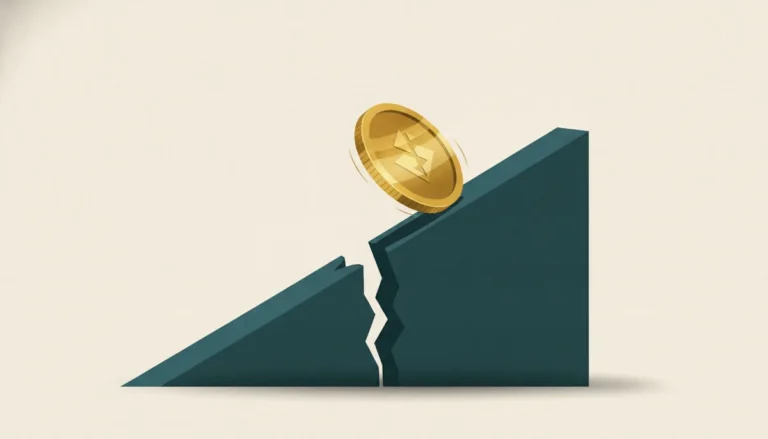
- Оно не устраняет волатильность и не гарантирует прибыль — оно меняет то, как формируется позиция, а не то, сколько стоит актив.
- Вложение всей суммы сразу может иметь теоретическое преимущество на стабильно растущих рынках, но DCA даёт структуру, которую многим легче выдержать.
- План DCA работает только в том случае, если сумма и график достаточно реалистичны, чтобы поддерживать их и на растущих, и на падающих рынках.
- Выбор актива и выбор способа его покупки — разные решения: оба заслуживают самостоятельного исследования.
Усреднение стоимости, которое обычно сокращают до DCA (dollar-cost averaging), — это простая идея: вместо того чтобы вкладывать всю сумму в актив разом, вы делите её на меньшие регулярные покупки, распределённые во времени. В крипте, где цены могут резко колебаться в течение одного дня, DCA стал одним из самых обсуждаемых способов формировать позицию, не пытаясь угадать идеальный момент для покупки.
Это не сигнал к покупке какого-либо конкретного актива, и ничто здесь не является финансовым советом. Это описание механического подхода, который некоторые инвесторы используют, чтобы справляться с эмоциональными и временными трудностями волатильных рынков. Подходит ли он вам, зависит от ваших собственных обстоятельств, целей и терпимости к риску, и это стоит самостоятельно изучить, прежде чем действовать.
Как на самом деле работает усреднение стоимости
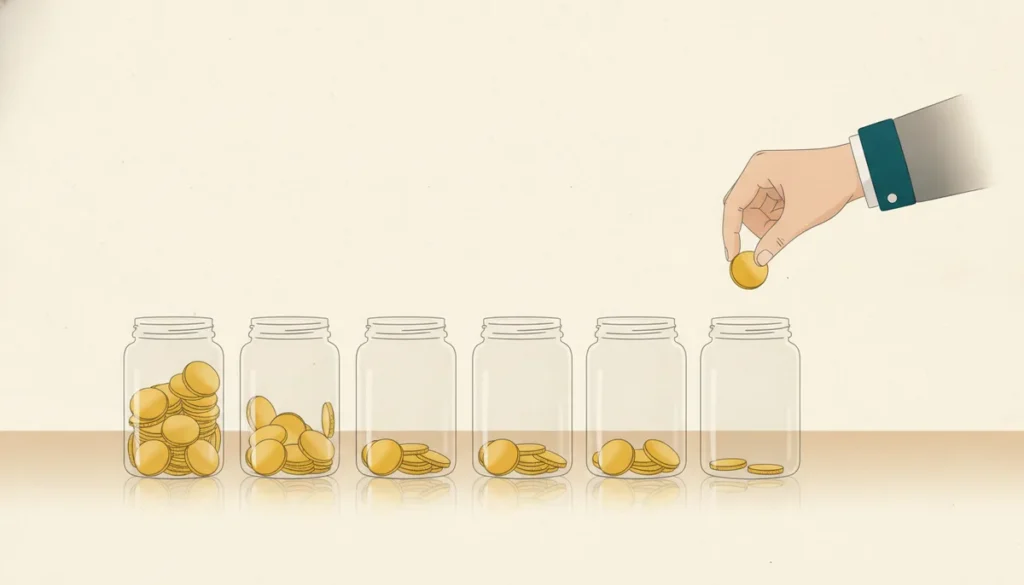
Механика проста. Допустим, инвестор решает вкладывать фиксированную сумму каждую неделю или каждый месяц, независимо от того, что цена делает в этот день. Когда цена выше, эта фиксированная сумма покупает меньше единиц. Когда цена ниже — покупает больше. За множество покупок инвестор в итоге получает среднюю цену входа, которая отражает взлёты и падения всего периода, а не единственный снимок, сделанный в один конкретный день.
Привлекательность связана не столько с математикой, сколько с поведением. DCA избавляет от необходимости снова и снова решать, хороший ли сегодня день для покупки. Это решение принимается один раз, заранее, когда задаётся график, — а не многократно, под давлением движущейся цены и соблазна реагировать на краткосрочные новости.
Почему волатильность крипты делает DCA привлекательным
Криптоактивы известны волатильностью, которая выражена гораздо сильнее, чем на большинстве традиционных рынков. Резкое двузначное процентное движение за одну неделю не редкость для многих монет, и даже крупные, устоявшиеся активы могут заметно колебаться за короткие периоды. Такая волатильность работает в обе стороны: она создаёт возможности, но и делает решения о входе в одной точке гораздо более рискованными, ведь покупка на локальном пике может выглядеть совсем иначе, чем покупка всего несколькими неделями позже.
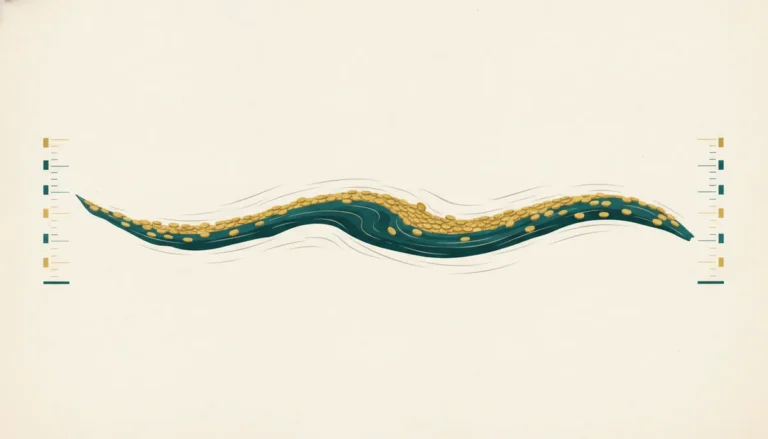
Распределение покупок во времени не устраняет волатильность — актив ровно так же волатилен, как и прежде, и график DCA никак не меняет базовое поведение цены того, что покупается. Меняется лишь подверженность инвестора любой отдельной ценовой точке. Вместо единственного входа, который мог бы прийтись близко к максимуму или минимуму, график DCA объединяет множество входов, сглаживая влияние краткосрочных колебаний на общую среднюю стоимость.
DCA против вложения всей суммы сразу
Вложение всей суммы сразу означает, что вы задействуете весь объём разом. На рынках, которые растут в течение долгих периодов, немедленно пускать деньги в дело исторически имело математическое преимущество перед распределением, просто потому что большая часть капитала дольше подвержена потенциальному росту. При этом прошлые закономерности одного рынка или периода не гарантируют будущих результатов, а торговая история крипты коротка и необычайно волатильна по сравнению с большинством устоявшихся классов активов, из-за чего исторические сравнения менее надёжны, чем может показаться на первый взгляд.
DCA меняет часть этого теоретического преимущества на другую выгоду — дисциплину. Это структура, которая не зависит от верного предсказания краткосрочного направления цены, а это трудно делать стабильно даже опытным участникам рынка. Для многих настоящий вопрос не в том, какой подход выигрывает на бумаге, а в том, какой из них они действительно смогут выдержать, не переосмысливая своё решение всякий раз, когда рынок резко движется в ту или иную сторону.
Когда вложение всей суммы обычно оправдано
Инвестор, у которого уже есть свободные средства, который провёл собственное исследование и спокойно относится к возможности просадки в ближайшей перспективе, может предпочесть вложить капитал сразу, а не ждать, рискуя упустить устойчивое движение вверх.
Когда DCA обычно оправдан
Тому, кто вносит средства из регулярного дохода, постепенно наращивает позицию со временем или хочет снизить эмоциональный вес единственного решения о моменте входа, зачастую легче придерживаться планового подхода месяцами или годами, особенно в периоды резких колебаний цены.
Чего DCA не делает
Стоит прямо сказать об ограничениях. Усреднение стоимости не гарантирует прибыли и не защищает от актива, который теряет в цене на протяжении всего периода, пока инвестор его покупает. Усреднение в убыточной позиции остаётся убыточной позицией; стратегия меняет лишь механику входа, а не перспективы самого базового актива. Она также не устраняет необходимость исследования — выбор того, какой актив накапливать, это отдельное решение от того, как его накапливать, и оба заслуживают самостоятельного обдумывания. См. проводите собственное исследование, чтобы понять, почему эта подготовительная работа важна независимо от того, какая стратегия накладывается сверху.
DCA также не заменяет более широкого взгляда на риск. Вкладывать фиксированную сумму по графику, который в действительности нельзя выдержать — потому что он перенапрягает бюджет или потому что это деньги, которые могут понадобиться в другом месте в ближайшее время, — сводит на нет смысл стратегии, призванной снижать стресс, а не усиливать его.
Как применить это на практике
На практике план DCA начинается с трёх решений: сколько вложить в общей сложности, как часто покупать и в течение какого периода. Одни инвесторы ведут это вручную; другие используют калькулятор DCA, чтобы смоделировать, как разные графики и суммы вели бы себя в прошлом, — это помогает задать реалистичные ожидания, а не полагаться на интуицию или единственный запоминающийся пример.
Bitcoin часто используют как пример актива в обсуждениях DCA из-за его долгой торговой истории и сравнительно высокой ликвидности по сравнению с более новыми токенами, хотя та же механика применима к любому активу, который инвестор изучил и решил держать, — см. обзор Bitcoin для сведений о самом активе. Каким бы ни был актив, график работает лишь в том случае, если его можно поддерживать и в периоды роста, и в периоды падения, поскольку отказ от плана на полпути во время спада обычно сочетает худшее из обоих подходов: подверженность волатильности вложения всей суммы сразу без преимущества усреднения, которое даёт доведение плана до конца.
Итог
Усреднение стоимости — это структура, а не прогноз. Оно не говорит вам, сколько актив стоит и куда движется его цена; оно лишь меняет то, как со временем формируется позиция, обменивая возможность единственного идеального входа на более предсказуемый, повторяемый процесс. Как и любой подход к крипторынкам, оно сопряжено с риском, и ничто в этой статье не следует воспринимать как рекомендацию покупать или держать какой-либо конкретный актив. Изучите собственные обстоятельства, терпимость к риску и цели, прежде чем решать, подходит ли плановый подход вашей ситуации.
История
Усреднение стоимости стало одним из самых распространённых способов, которыми криптоинвесторы подходят к волатильным рынкам, заменяя единственное решение о моменте входа регулярным графиком.
Контекст
Поскольку криптоактивы движутся более широкими размахами, чем большинство традиционных рынков, велик соблазн пытаться подгадывать входы — DCA даёт способ участвовать, не пытаясь угадать вершину или дно движения.
Превзойдёт ли плановый подход разовый вход, сильно зависит от рассматриваемого периода, и именно поэтому прошлые закономерности не следует воспринимать как гарантию будущих результатов.
The Digital Take — это анализ и данные команды Bitcoin Digital Editorial: контекст, а не рекомендация покупать или продавать. Не является финансовой консультацией.
Источники
Часто задаваемые вопросы
Гарантированно ли усреднение стоимости снижает риск?
Нет. Оно меняет то, как со временем формируется позиция, и может сглаживать влияние краткосрочных колебаний цены, но не защищает от актива, который теряет в стоимости на протяжении всего периода, пока вы его покупаете. Это структура для входа в позицию, а не гарантия какого-либо исхода.
Как часто мне следует покупать при использовании DCA?
Единственно верного интервала нет — распространены и еженедельный, и ежемесячный. Важнее точной частоты выбрать график и сумму, которые вы реально сможете выдержать и на растущих, и на падающих рынках, ведь отказ от плана на полпути часто даёт худшие результаты, чем любой из подходов, применяемый последовательно.
DCA лучше, чем вложить всю сумму сразу?
Это зависит от периода и от инвестора. На рынках, которые растут в долгосрочной перспективе, вложение всей суммы сразу исторически имело математическое преимущество, потому что больше капитала дольше подвержено рынку. DCA меняет часть этого потенциального преимущества на дисциплину и меньшую эмоциональную нагрузку, а это важно, если именно от этого зависит, придержитесь ли вы плана или бросите его.
Можно ли применять усреднение стоимости к любому криптоактиву?
Механика работает для любого актива, но необходимое предварительное исследование не меняется. DCA влияет на то, как вы формируете позицию, а не на то, является ли базовый актив разумным выбором, — эта подготовительная работа является отдельным шагом.
Избавляет ли DCA от необходимости сначала изучить актив?
Нет. Выбор того, что покупать, и выбор того, как покупать, — это два разных решения, которые заслуживают отдельного внимания. График регулярных покупок — это лишь механизм входа в позицию с течением времени: он не заменяет понимания самого актива, специфичных для него рисков или того, как он вписывается в вашу собственную финансовую ситуацию, цели и временной горизонт, прежде чем вы обяжете себя планом.
Обновлено 13 июля 2026

Увлечённый криптовалютный журналист в Bitcoin Digital с большим интересом к финтеху, блокчейну и биткоину.