Points clés
- La DeFi désigne des applications financières bâties sur des blockchains publiques qui permettent aux gens de prêter, d'emprunter, d'échanger et de générer du rendement via des contrats intelligents plutôt que via une banque ou un courtier.
- Des plateformes de prêt comme Aave apparient prêteurs et emprunteurs de façon algorithmique et s'appuient sur des garanties et des liquidations automatiques plutôt que sur des vérifications de crédit.
- Les plateformes d'échange décentralisées comme Uniswap permettent aux gens d'échanger des jetons directement depuis leur propre portefeuille à l'aide de pools de liquidité plutôt que d'ordres d'achat et de vente appariés.
- Le rendement en DeFi compense un risque plutôt que d'agir comme un rendement garanti, et un rendement anormalement élevé signale généralement un risque anormalement élevé quelque part dans le système.
- La transparence de la DeFi est réelle, mais elle ne supprime pas le risque : bugs de contrats intelligents, défaillances d'oracles, arnaques imitatrices et transactions irréversibles sont autant de dangers réels.
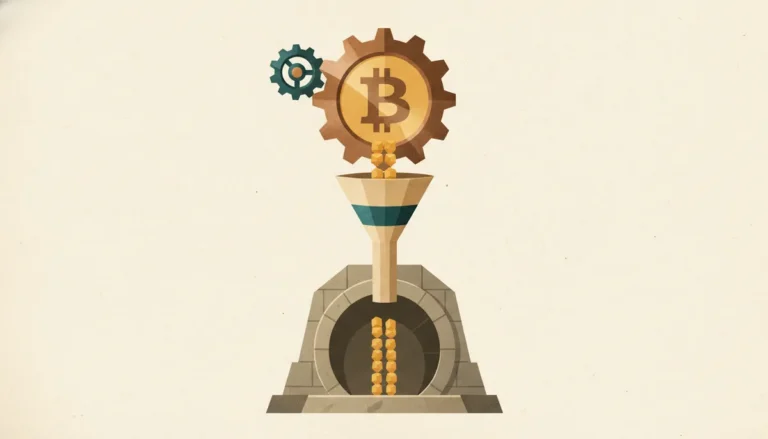
La finance décentralisée, ou DeFi, désigne des applications financières bâties sur des blockchains publiques qui permettent aux gens de prêter, d’emprunter, d’échanger et de générer du rendement sans passer par une banque ou un courtier. Elle fonctionne sur des contrats intelligents plutôt que sur les systèmes internes d’une entreprise, ce qui crée un mélange d’ouverture et de risque différent de celui de la finance traditionnelle.
Ce qui rend la finance « décentralisée »
Dans la finance traditionnelle, une banque ou un courtier se place au milieu de presque chaque transaction, décidant qui peut ouvrir un compte, approuvant les prêts et tenant le registre qui dit qui possède quoi. La DeFi remplace cette couche intermédiaire par des contrats intelligents open source que n’importe qui peut inspecter et, dans bien des cas, que n’importe qui peut utiliser directement depuis son propre portefeuille, sans demander d’approbation ni ouvrir un compte au sens traditionnel.
Cette ouverture est l’argument central : le même pool de prêt ou la même plateforme d’échange est accessible à quiconque dispose d’une connexion internet et d’un portefeuille compatible, et ses règles sont visibles dans le code du contrat plutôt que dans un document qu’une entreprise pourrait modifier discrètement. C’est aussi, comme abordé plus loin, d’où provient une grande partie du risque de la DeFi.
Prêt et emprunt
Les marchés de prêt DeFi permettent aux gens de déposer des cryptoactifs pour générer du rendement, tandis que d’autres empruntent contre une garantie qu’ils ont déposée. Des plateformes comme Aave utilisent des contrats intelligents pour apparier prêteurs et emprunteurs de façon algorithmique, ajustant les taux d’intérêt en fonction de l’offre et de la demande de chaque actif plutôt que de la politique interne d’une banque. Les emprunteurs doivent généralement déposer une garantie valant plus que ce qu’ils empruntent, puisqu’il n’y a ni vérification de crédit ni recours juridique au sens traditionnel ; si la valeur de cette garantie chute trop, la position peut être automatiquement liquidée pour protéger les prêteurs.
Cette structure supprime le besoin de faire confiance au jugement d’un agent de crédit, mais elle signifie aussi que le système dépend entièrement du bon fonctionnement du code tel que prévu et d’une valorisation de la garantie précise et opportune, raison pour laquelle la fiabilité des oracles compte autant en pratique.
Plateformes d’échange décentralisées
Une plateforme d’échange décentralisée, ou DEX, permet aux gens d’échanger un jeton contre un autre directement depuis leur propre portefeuille, sans déposer au préalable de fonds sur une plateforme centralisée. Uniswap a été parmi les projets qui ont popularisé le modèle du teneur de marché automatisé, où les transactions s’exécutent contre un pool de liquidité déposé à l’avance plutôt que d’être appariées à l’ordre précis d’un autre trader. Cette conception permet d’échanger pratiquement n’importe quel jeton dès que quelqu’un crée un pool de liquidité pour lui, ce qui est un modèle nettement différent d’une plateforme d’échange traditionnelle qui doit formellement lister un actif avant qu’il puisse être échangé.
Le rendement, et pourquoi ce n’est pas de l’argent gratuit
La DeFi est souvent associée au rendement : intérêts versés aux prêteurs, frais de transaction versés aux fournisseurs de liquidité, ou récompenses versées pour inciter à l’usage d’un protocole particulier. Il vaut la peine d’être direct à ce sujet : le rendement en DeFi est une compensation pour la prise de risque, pas un rendement fixe comparable à un compte d’épargne bancaire. Un protocole offrant un rendement nettement supérieur à ses concurrents le fait généralement parce qu’il prend plus de risque quelque part, que ce soit un code plus récent et moins audité, un actif sous-jacent plus volatil, ou une récompense en jetons qui peut perdre de la valeur alors même que le chiffre de rendement affiché reste identique. Rien de tout cela n’est un conseil financier, et tout chiffre de rendement que vous voyez annoncé devrait être traité comme un instantané de conditions actuelles et changeantes plutôt que comme une promesse.
Les stablecoins comme la tuyauterie de la DeFi
Une grande partie de l’activité DeFi est libellée en stablecoins, des jetons conçus pour suivre la valeur d’une monnaie fiat comme le dollar américain, parce qu’ils permettent aux utilisateurs de prêter, d’emprunter et d’échanger sans être directement exposés aux variations de prix d’un actif plus volatil à chaque étape d’une transaction. Les stablecoins ne sont pas sans risque ; leur capacité à maintenir leur ancrage dépend de la façon dont ils sont adossés et gérés, ce qu’il vaut la peine de rechercher de façon indépendante pour tout stablecoin donné avant de s’y fier. Certains sont adossés à des réserves détenues hors chaîne, d’autres à un mélange de garanties on-chain, et quelques-uns reposent sur des mécanismes algorithmiques plutôt que sur des réserves directes ; chaque modèle porte un profil de risque différent, et le mécanisme compte autant que la promesse qu’un jeton est stable.
Ouverture contre risque
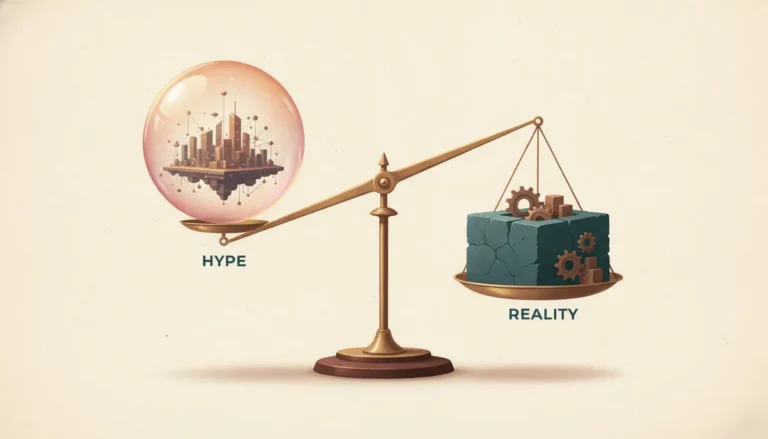
La transparence de la DeFi est réelle : le code des contrats, l’historique des transactions et les réserves des protocoles sont généralement visibles on-chain pour quiconque veut regarder, ce qui est un point de départ nettement différent de l’opacité de la finance traditionnelle. Mais cette ouverture ne supprime pas le risque ; elle en change la forme.
- Risque de contrat intelligent. Un bug ou un exploit dans le code d’un protocole peut entraîner une perte directe des fonds déposés, et cela s’est produit à plusieurs reprises dans le secteur.
- Risque d’oracle et de liquidation. Les marchés de prêt dépendent de données de prix précises et opportunes ; un flux de prix manipulé ou retardé peut déclencher des liquidations inutiles ou permettre à un attaquant d’emprunter contre une garantie mal évaluée.
- Arnaques et contrats imitateurs. Comme n’importe qui peut déployer un contrat intelligent et l’appeler comme bon lui semble, les faux jetons et les protocoles d’imitation sont courants, et vérifier que vous interagissez avec le contrat authentique et audité d’un protocole donné est essentiel.
- Pas de service client ni d’annulation. Il n’y a généralement aucune institution à appeler si vous envoyez des fonds à la mauvaise adresse ou interagissez avec un contrat malveillant ; les transactions sur la plupart des blockchains ne peuvent pas être annulées.
Où la DeFi s’étend
Les outils de la DeFi sont de plus en plus appliqués au-delà des actifs crypto-natifs. Des actifs du monde réel, des produits de trésorerie tokenisés à d’autres instruments hors chaîne, sont amenés on-chain afin de pouvoir être utilisés au sein des protocoles DeFi, un domaine que vous pouvez suivre sur notre desk des actifs du monde réel. Cela étend la portée de la DeFi, mais importe aussi une nouvelle catégorie de risque : le jeton on-chain n’est fiable que dans la mesure où le processus hors chaîne et la structure juridique qui l’adossent le sont, un type de diligence raisonnable différent de l’évaluation d’un protocole purement on-chain.
En résumé
La DeFi remplace les banques et les courtiers par des contrats intelligents publics, ce qui rend le prêt, le trading et la génération de rendement ouverts à quiconque possède un portefeuille, transparents dans leur mécanique et accessibles sans processus de demande. Cette même ouverture signifie qu’aucune institution n’absorbe les pertes à votre place si un contrat est exploité, si un stablecoin perd son ancrage ou si un jeton s’avère frauduleux. Ceci n’est pas un conseil financier : recherchez de façon indépendante l’historique d’audit, le modèle de garantie et la conception du jeton de tout protocole avant d’engager des fonds, et traitez tout rendement annoncé comme le reflet d’un risque plutôt que comme un gain gratuit.
L'histoire
La DeFi reconstruit des fonctions financières centrales — prêt, trading et génération de rendement — sous forme de contrats intelligents ouverts auxquels quiconque possède un portefeuille compatible peut accéder directement, sans demander l'approbation d'une banque ou d'un courtier.
Le contexte
Cette ouverture est un véritable changement structurel par rapport à la finance traditionnelle, mais elle déplace le risque plutôt que de le supprimer. Les utilisateurs s'exposent directement aux bugs de contrats intelligents, aux défaillances d'oracles et aux contrats frauduleux qu'un intermédiaire réglementé absorberait ou filtrerait autrement.
À surveiller : l'historique d'audit d'un protocole et depuis combien de temps il fonctionne sans incident, comment son rendement est réellement généré plutôt que ce qu'il annonce seulement, et si la liquidité et l'usage sont largement répartis ou concentrés d'une façon qui pourrait se dénouer rapidement.
The Digital Take est l'analyse et les données de l'équipe Bitcoin Digital Editorial — du contexte, pas une recommandation d'achat ou de vente. Pas un conseil financier.
Sources
Questions fréquentes
La DeFi est-elle légale ?
Cela varie selon la juridiction et demeure un domaine de réglementation réellement non tranché dans bien des endroits. Les règles entourant la DeFi, y compris la manière dont certaines activités sont classées et taxées, diffèrent d'un pays à l'autre et continuent d'évoluer. Ceci n'est pas un conseil juridique ou financier ; vérifiez l'approche réglementaire actuelle là où vous vivez avant de participer.
Ai-je besoin d'un compte bancaire pour utiliser la DeFi ?
Non. On accède généralement aux protocoles DeFi directement via un portefeuille crypto compatible plutôt que via un compte bancaire, ce qui fait partie de l'attrait pour de nombreux utilisateurs. Vous aurez généralement encore besoin d'un moyen de convertir une monnaie traditionnelle en crypto au départ, ce qui peut impliquer une plateforme d'échange centralisée ou une autre rampe d'accès.
Qu'est-ce que la perte impermanente, et affecte-t-elle aussi le prêt en DeFi ?
La perte impermanente est un risque propre à la fourniture de liquidité à certains pools de trading, pas au prêt. Elle survient lorsque les prix des deux actifs d'un pool divergent l'un de l'autre, ce qui peut laisser un fournisseur de liquidité avec une combinaison d'actifs de moindre valeur que s'il les avait simplement conservés séparément. Le prêt comporte des risques différents, principalement autour de la valeur de la garantie et de la liquidation.
Pourquoi certains protocoles DeFi offrent-ils un rendement bien plus élevé que d'autres ?
Généralement parce qu'ils prennent plus de risque quelque part dans le système, que ce soit un code plus récent et moins éprouvé, un actif sous-jacent plus volatil, ou des incitations en jetons qui peuvent perdre de la valeur alors même que le chiffre affiché reste identique. Un rendement anormalement élevé est un signal pour rechercher plus attentivement, pas une raison de sauter la recherche.
En quoi une plateforme d'échange décentralisée diffère-t-elle d'une centralisée ?
Sur une plateforme d'échange décentralisée, les transactions s'exécutent généralement contre un contrat intelligent et un pool de liquidité directement depuis votre propre portefeuille, et vous conservez généralement le contrôle de vos fonds jusqu'au moment de la transaction. Une plateforme d'échange centralisée exige de déposer d'abord des fonds sur la plateforme, ce qui revient à faire confiance à cette entreprise pour les détenir et finalement les restituer, en échange d'une expérience utilisateur plus familière.
Dernière mise à jour 13 juillet 2026

Rédactrice dotée d'une grande expérience dans la couverture du Bitcoin, de l'innovation blockchain, des marchés des cryptomonnaies et de la technologie financière. Elle a à cœur de proposer une actualité pertinente, des analyses approfondies et des contenus pédagogiques à la communauté crypto mondiale.