Ключевые выводы
- Yield farming выплачивает доход из двух очень разных источников — реальных торговых комиссий или процентов заёмщиков и вновь выпущенных токенов протокола, — и они ведут себя во времени по-разному.
- Непостоянные потери могут незаметно сократить активы поставщика ликвидности, даже когда сам пул на поверхности выглядит прибыльным.
- Риск смарт-контракта нарастает, когда протоколы подключаются к другим протоколам, ведь изъян в любом месте цепочки может затронуть внесённые средства.
- Рекламируемая годовая доходность обычно падает по мере того, как в пул поступает больше капитала или по мере сворачивания графиков эмиссий.
- Необычно высокая доходность новых, не прошедших аудит протоколов — распространённый признак rug pull, а не надёжный знак возможности.
Yield farming — это практика заставлять криптоактивы работать внутри протоколов децентрализованных финансов в обмен на доход, обычно выплачиваемый в виде торговых комиссий, процентов заёмщиков или собственного токена протокола. Вместо банка, начисляющего проценты на сберегательный счёт, смарт-контракт платит напрямую кошельку по правилам, прописанным в коде протокола. Это один из наиболее активных уголков DeFi и один из тех, что легче всего понять неправильно, ведь рекламируемая доходность редко рассказывает всю историю.
Как yield farming на самом деле работает
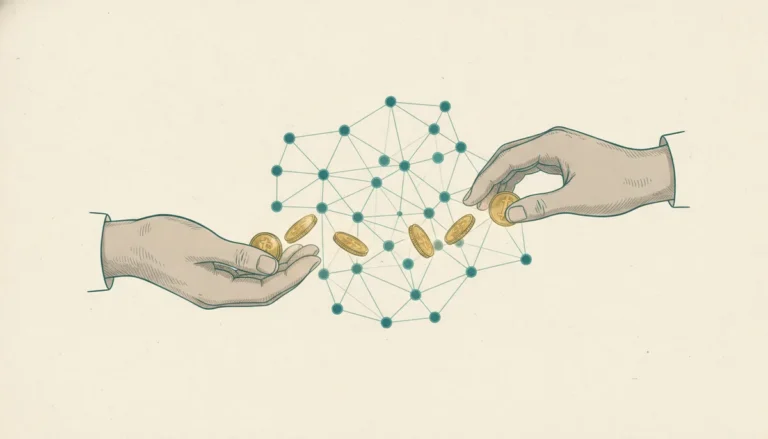
Большинство yield farming начинается с пула ликвидности: общего котла из двух или более токенов, против которых трейдеры обменивают на децентрализованной бирже. Кто угодно может внести соответствующую пару активов в пул и получить токен-квитанцию, представляющую его долю. Такую токен-квитанцию часто можно снова внести или отправить в стейкинг — в отдельный фермерский контракт, который выплачивает дополнительные вознаграждения поверх торговых комиссий, которые пул уже зарабатывает. Именно этот второй слой большинство людей и имеет в виду под фармингом: складывать вознаграждение поверх вознаграждения.
Параллельная версия той же идеи происходит на рынках кредитования. Протоколы вроде Aave позволяют пользователям вносить актив, чтобы другие его занимали, зарабатывая проценты, финансируемые тем, что платят заёмщики. В этом случае вкладчики не фармят отдельный токен; они зарабатывают плавающую процентную ставку, которая движется вместе со спросом и предложением на этот актив. Некоторые рынки кредитования также накладывают сверху токен-стимулы, что ещё сильнее размывает границу между кредитованием и фармингом.
Откуда на самом деле берётся доходность
Полезно разделить доходность фермы на два источника, потому что они ведут себя очень по-разному. Первый — это реальная экономическая активность: торговые комиссии от обменов или проценты, выплачиваемые заёмщиками, которым нужна ликвидность. Эту часть финансируют другие пользователи протокола, и она обычно движется вместе с фактическим использованием. Второй — это эмиссии: вновь созданные токены, которые протокол распределяет, чтобы привлечь вклады. Эмиссии финансируются не выручкой; они финансируются размыванием. Пул, рекламирующий высокую годовую доходность, очень часто смешивает скромную комиссионную доходность с гораздо большей эмиссионной составляющей, выплачиваемой в токене, цена которого может двигаться независимо от самого пула.
Это различие важно, потому что доходность, движимая эмиссиями, обычно сходит на нет по мере того, как за ней приходит всё больше капитала, или по мере того, как протокол со временем сокращает свой график вознаграждений. Броская цифра, зафиксированная в один момент, мало что говорит о том, что позиция на самом деле заработает в последующие месяцы.
Настоящие риски
Непостоянные потери
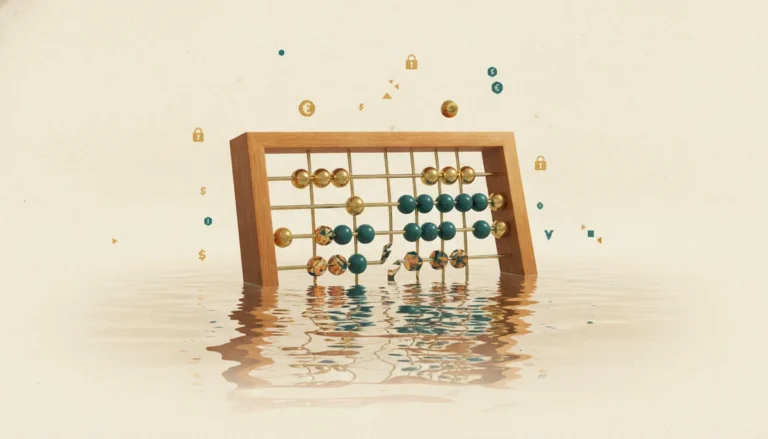
Непостоянные потери возникают потому, что большинство пулов ликвидности автоматически перебалансируют два актива внутри них по мере движения рыночной цены. Если один актив пары резко растёт против другого, автоматизированная формула пула продаёт часть растущего актива в пользу падающего, чтобы сохранить пул сбалансированным. Поставщик ликвидности может в итоге держать меньше хорошо показавшего себя актива, чем если бы он просто держал оба токена в кошельке. Потери непостоянны лишь в том смысле, что они могут сократиться, если цены вернутся назад; они становятся постоянными в момент вывода ликвидности.
Риск смарт-контракта
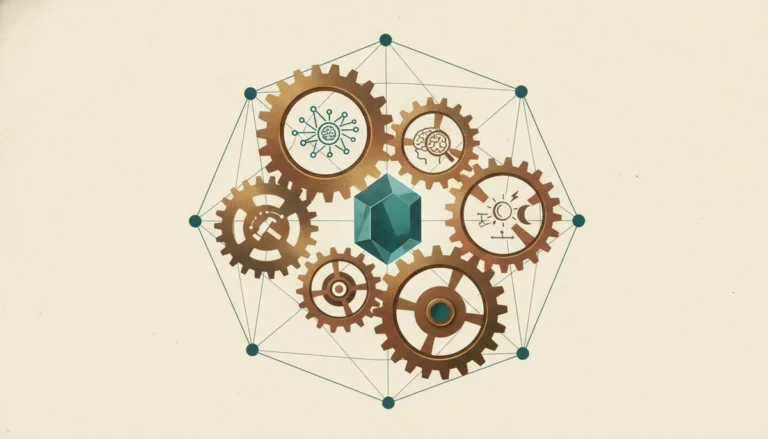
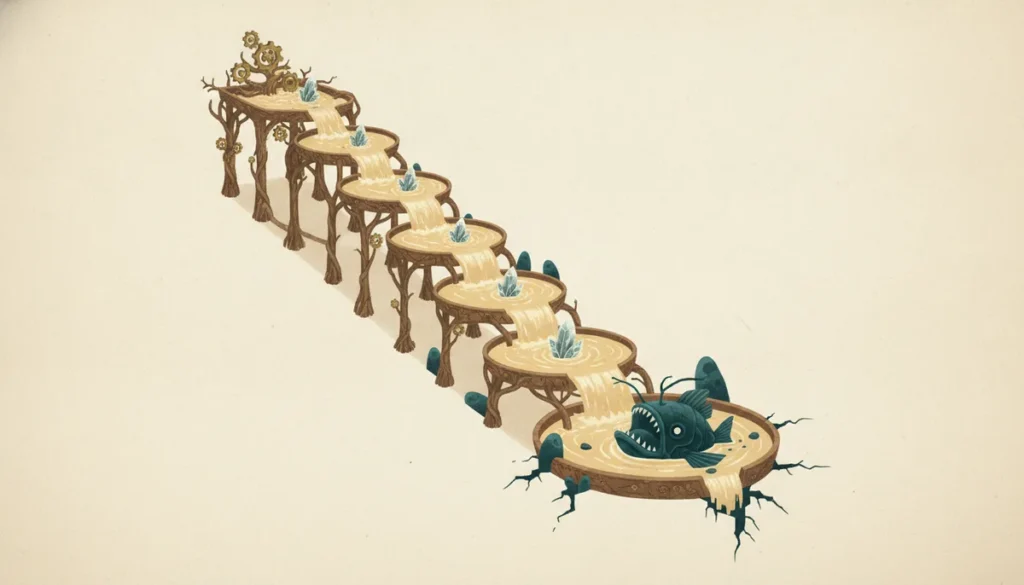
Каждый вклад в фермерский контракт — это ставка на то, что нижележащий код делает то, что заявляет, и ничего больше. Аудиты снижают этот риск, но не устраняют его; сложные протоколы, которые подключаются к другим протоколам, — практика, которую иногда называют money legos, — наследуют ошибки всего, к чему они подключаются. Изъян в любом месте этой цепочки может поставить внесённые средства под угрозу, без какой-либо линии поддержки клиентов и без гарантированного возврата.
Доходность, которая не держится
Поскольку столь большая часть фермерской доходности выплачивается в собственном токене протокола, броская ставка может вводить в заблуждение дважды: один раз потому, что эмиссии размывают предложение токена, и ещё раз потому, что цена токена-вознаграждения часто падает, когда фермеры продают то, что заработали. Ставка, которая выглядит как явная двузначная или трёхзначная годовая доходность, может быстро сжаться, как только учесть новое предложение и давление продавцов. Между рекламируемой ставкой и тем, что фермер в действительности уносит с собой, нет фиксированной связи.
Rug pull и мошеннические выходы
Не всякий высокодоходный пул создан с добрыми намерениями. Rug pull происходит, когда создатели проекта опустошают пул ликвидности, отключают выводы или выпускают и сбрасывают неограниченное предложение собственного токена, оставляя вкладчиков с почти ничего не стоящим балансом. Более новые, не прошедшие аудит протоколы, обещающие необычно высокую доходность, непропорционально часто встречаются среди rug pull — именно потому, что высокая рекламируемая доходность и есть приманка.
Рамка для оценки фермы, а не рекомендация
Ничто из этого не является предложением фармить или избегать какого-либо конкретного протокола; это способ подумать о компромиссах, прежде чем вкладывать средства. По поводу любого пула или рынка кредитования стоит задать несколько вопросов:
- Прошёл ли код протокола независимый аудит, и публичны ли отчёты об аудите?
- Какая доля рекламируемой доходности приходится на реальные комиссии по сравнению с эмиссиями токенов?
- Что произойдёт с позицией, если два объединённых актива разойдутся в цене?
- Как долго протокол работает и насколько его ликвидность сосредоточена в небольшом числе кошельков?
Прогон цифр по гипотетической позиции с помощью калькулятора APY может помочь отделить комиссионную часть дохода от токен-вознаграждательной части, что упрощает понимание того, насколько заявленная ставка зависит от того, удержит ли токен свою стоимость. Однако калькулятор не может оценить риск смарт-контракта или вероятность rug pull; эта часть по-прежнему сводится к исследованию. Для более широкого введения в пространство, к которому это относится, смотрите наш гид о том, что такое DeFi на самом деле.
Итог
Yield farming — это подлинный способ получить доход на простаивающую крипту, и для некоторых вкладчиков в хорошо зарекомендовавших себя, прошедших аудит пулах он работает во многом как специализированный денежный рынок. Но броская ставка — всегда лишь часть картины. Между непостоянными потерями, риском контракта, угасающими эмиссиями и возможностью откровенного мошенничества фактический доход с фермы может выглядеть совсем иначе, чем цифра, рекламируемая на её посадочной странице. Как и при любом размещении средств в волатильной, управляемой кодом системе, это не финансовый совет; относитесь к этому как к отправной точке для собственного исследования, или DYOR, а не как к сигналу к действию.
История
Yield farming превратил маркетмейкинг и кредитование в то, что любой владелец кошелька может делать напрямую, без банка или брокера посередине.
Контекст
У этой доступности есть оборотная сторона: код, заменяющий банк, заменяет и его защитные механизмы, так что доходность приходится взвешивать с учётом непостоянных потерь, риска контракта и устройства стимулов, а не только броской ставки.
Обеспечена ли доходность пула главным образом реальной торговой активностью или эмиссиями токенов, и как эта пропорция смещается по мере сворачивания графиков вознаграждений.
The Digital Take — это анализ и данные команды Bitcoin Digital Editorial: контекст, а не рекомендация покупать или продавать. Не является финансовой консультацией.
Источники
Часто задаваемые вопросы
Yield farming — это то же самое, что стейкинг?
Не совсем. Стейкинг обычно означает блокировку токена, чтобы помочь защитить сеть на основе proof-of-stake или конкретную функцию протокола, часто с довольно предсказуемым вознаграждением. Yield farming обычно означает предоставление активов в пул ликвидности или на рынок кредитования, где доход зависит от торговой активности, спроса заёмщиков и эмиссий токенов, — а всё это может быстро меняться.
Что именно такое непостоянные потери, простыми словами?
Это разница между удержанием двух активов в пуле ликвидности и раздельным их удержанием в кошельке. Поскольку пулы автоматически перебалансируются по мере движения цен, поставщик ликвидности может в итоге получить меньше лучше показавшего себя актива, чем если бы он просто его держал. Потери становятся реальными только после того, как средства выведены из пула.
Можно ли гарантировать доход от yield farming?
Ни один протокол не может честно гарантировать доход. Рекламируемые ставки — это оценки на основе текущей активности и эмиссий токенов, которые постоянно меняются. Смарт-контракты также могут дать сбой или быть проэксплуатированы, каким бы привлекательным ни выглядел заявленный доход. Любая платформа, обещающая фиксированный, гарантированный доход по фермерской позиции, заслуживает значительной осторожности.
Как понять, что один протокол безопаснее другого?
Единого сигнала нет, но независимые, опубликованные аудиты, более длительная история работы, прозрачные команды и ликвидность, не сосредоточенная в горстке кошельков, — всё это снижает, не устраняя, вероятность сбоя контракта или намеренного мошеннического выхода. Более новые протоколы, предлагающие необычно высокую доходность, заслуживают самого пристального внимания, а не наименьшего.
Почему фермерская доходность со временем падает?
Обычно доходность вниз толкают две силы: приход большего капитала в тот же пул распределяет тот же набор комиссий и вознаграждений на большее число вкладчиков, а протоколы по мере взросления часто сокращают график эмиссии токенов. Ставка, зафиксированная в один момент, — это снимок, а не прогноз того, что позиция будет продолжать зарабатывать.
Обновлено 13 июля 2026

Редактор с большим опытом освещения Bitcoin, блокчейн-инноваций, рынков криптовалют и финансовых технологий. Стремится давать своевременные новости, глубокую аналитику и образовательные материалы для мирового криптосообщества.